The Art of the Grazing Board: Charcuterie Gift Guide for Father's Day
It feels like you’ve spent hours staring at an empty charcuterie board, surrounded by beautiful but intimidatingly gourmet ingredients. You want your gift for him—your father, partner, or dear friend—to scream "I put thought into this," while simultaneously whispering, "This is effortless luxury."
The challenge with a grazing board is that it looks simple, but assembling one well can feel like arranging an elaborate floral centerpiece. It’s not just about throwing expensive meats and cheeses onto wood; it's about composition, color theory, and telling a story through food. If you’ve ever felt overwhelmed by the sheer beauty of these boards—the way they look professionally curated and utterly delicious—know that assembling one at home is entirely manageable. You don't need to be an artisan charcutier; you just need a few guiding principles.
Here is your foolproof blueprint for creating a gift basket that will look magazine-worthy but feel genuinely heartfelt.
Selecting Your Pillars: The Foundation of Flavor
Before a single item touches the board, you must select the components strategically. Think of this phase less as shopping and more as building a flavor profile—a harmony with distinct notes. A great charcuterie spread needs variety across five dimensions: texture, salinity, sweetness, acidity, and temperature.
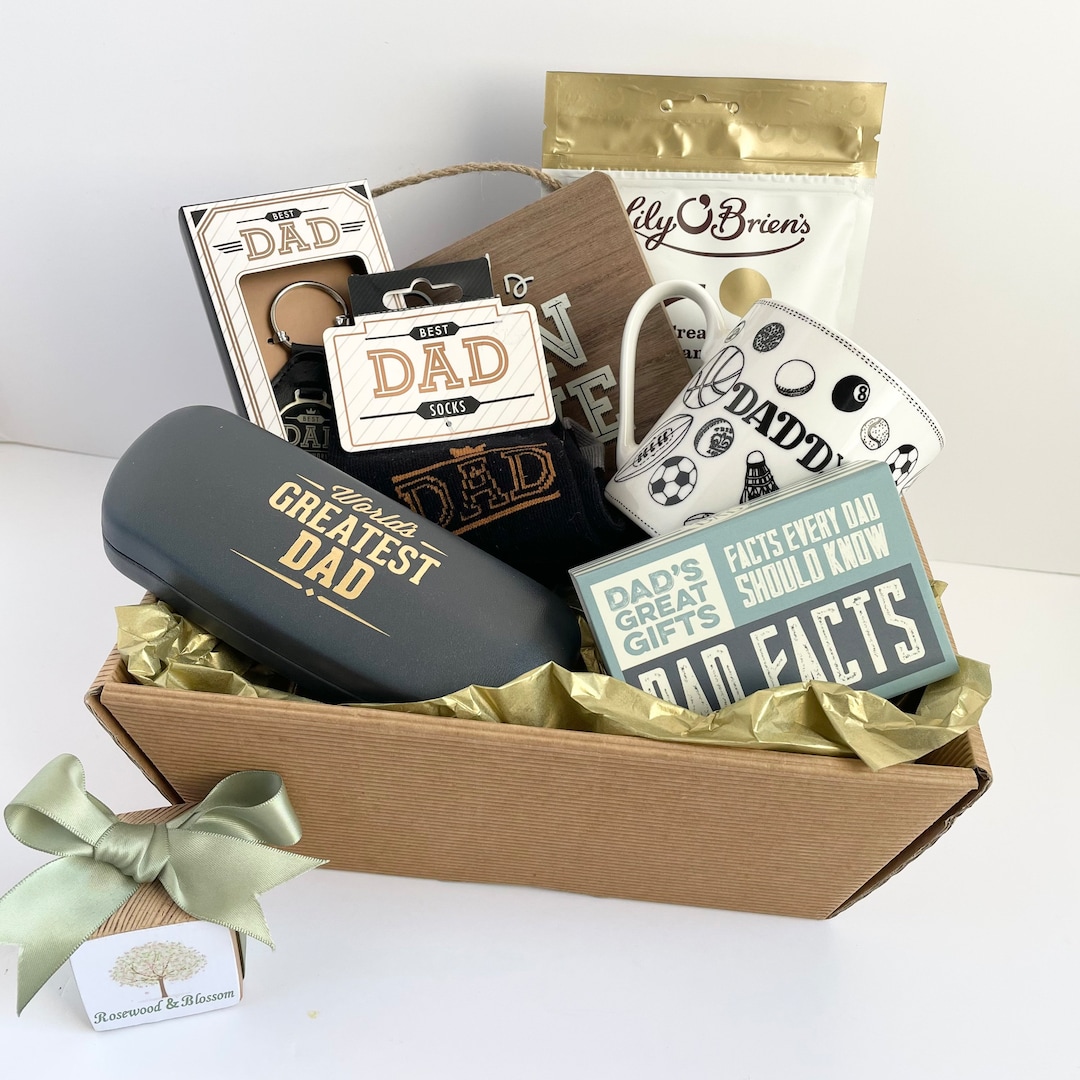
When choosing your core items, focus on grouping them by function rather than just type.
- The Cheese Trio (Texture & Depth): Never buy only one cheese. Aim for three distinct types to cover the flavor spectrum:
- Soft/Creamy: Needs to be spreadable and luscious (e.g., Brie, goat cheese). This is your glue.
- Hard/Crystalline: Provides a sharp bite and nutty character (e.g., Aged Cheddar, Manchego). This is the anchor.
- Blue/Bold: Adds complexity and funk (e.g., Gorgonzola, Stilton). This is the conversation starter.
- The Meats (Salty & Savory): Choose cured meats that vary in fat content and preparation. Don't just buy salami; select a hard-cured sausage for texture contrast alongside a delicate prosciutto for melt-in-your-mouth salinity.
- The Accompaniments (Pop, Sweet, Acidic): These are the stars of the show—the little details that elevate the whole experience. Think about pairing items: Fig jam goes with brie; pickled grapes go with sharp cheddar; honey pairs beautifully with prosciutto.
💡 Pro-Tip for Time-Crunched Gift Givers: If you truly lack time, buy a pre-made charcuterie kit from a local specialty shop. They have already done 80% of the work, and you only need to focus on arrangement.
Arranging Like an Artist: The Assembly Process
This is where most people get stuck—the physical act of arranging everything so it doesn't look like a haphazard picnic spread. Remember: The board should flow. It should guide the eye from one item to the next, making the whole piece read as a single, cohesive artwork.
Mastering Composition and Flow
Don’t place items in straight lines or perfect grids. Instead, use these visual tactics:
- The Rule of Odd Numbers: When grouping small elements (like crackers, olives, or small piles of nuts), always group them in odd numbers (threes, fives, sevens). It is visually more pleasing and dynamic than pairs.
- Start with the Anchors: Place your largest components first—the board itself, the wine bottle (if included), and any large centerpiece items like a bowl of olives or a basket filled with grapes. These define the boundaries.
- Create Nesting Piles: Do not spread everything out flatly. Instead, build small "nests" by grouping cheeses on top of crackers, or arranging small bowls of jam into dips surrounding the meats. This creates height and visual interest.
The Secret Ingredient: Negative Space
This is the most overlooked step. Negative space refers to the empty wood showing between your piles of food. Do not try to fill every single inch. Allowing clean patches of board visible gives the eye a rest, makes the whole presentation feel more intentional, and allows the luxury items to "breathe."
The Personal Polish: Making It Feel Like His Gift
Since this is for Father’s Day, your basket needs to Golf Enthusiast move beyond just being gourmet; it needs to feel deeply personalized. How do you make a beautiful platter feel sentimental? By telling a story about him.
I remember assembling a board once for my father and dumping in every fancy item I could find—it was gorgeous, but it felt generic. My friend pointed out that he hates strong cheese. A simple adjustment meant swapping the blue cheese for his favorite sweet Italian bread and adding a small jar of balsamic reduction (a flavor profile I knew he loved). Suddenly, the board wasn't just "gourmet"; it was "perfectly tailored to Dad."
The guiding principle here is this: The best gifts feel specific. Use these prompts to customize your selection:
- What does he truly love? Is it whiskey? Find a smoky meat or pair the cheese with an applewood-smoked cracker. Does he prefer gardening? Include herbs like rosemary, thyme, and lavender mixed into the arrangement for aroma.
- Pairing Power: If you know his favorite wine (say, a robust Cabernet), select cheeses that complement it—something earthy and nutty that won't clash with the tannins.
- The Emotional Touch: Don’t forget small, non-edible accents. A personalized handwritten tag explaining why you chose that specific cheese ("For your love of sharp cheddar...") adds immense value.
From Board to Experience: Thinking Beyond the Cutlery
Once the board is assembled and looking perfect, don't stop there. The presentation should account for the entire experience. Because this gift is designed to be enjoyed by him (and maybe a few friends), think about what else he needs to start eating.
Consider adding functional elements that complete the "gift moment":

- The Utensil Trio: Include small, dedicated knives—one for soft cheese, one for hard cheese, and perhaps a spreader for dips. This elevates it from an afterthought to a curated set.
- A Story Starter: Pair the basket with a thoughtfully selected bottle of something non-food related: a special brand of craft beer, a local roast coffee blend, or even a nice book on wine pairings.
Ultimately, assembling this board is less about following perfect rules and more about embracing abundance while maintaining restraint. It's about making an edible masterpiece that says, "I see you, I know your tastes, and I spent time curating something just for you." Extra resources The resulting spread won’t just be a gift; it will be the centerpiece of memories.